
Viruses have traditionally been used in the development of viral vaccines. In recent years, recombinant viral vectors have become widely adopted as gene delivery carriers in the development of chimeric antigen receptor (CAR) T cells, other genetically modified cell therapies, and gene therapy applications—owing to their ability to efficiently deliver genetic material into target cells.
The production of viral vectors typically involves the cultivation of mammalian cells in bioreactors, followed by a purification step including chromatography separation. Among chromatographic options in the downstream processing, anion exchange chromatography (AEX) is widely used due to its ability to bind negatively charged viral particles and achieve high virus purity with DNA removal up to 99%. However, small-pore matrices may cause shear damage and reduce yields. This has led to the adoption of monolith-based supports like CIM monoliths, which provide high-resolution, high-capacity purification in a low-shear environment with faster flow rates—making them ideal for viral vector purification.
Viral vector preparations often generate significant amounts of residual DNA impurities, primarily derived from plasmids and host cells. These nucleic acid contaminants can increase solution viscosity, clog filtration membranes and chromatography columns, reduce purification efficiency, lead to co-precipitation of product and impurities, and ultimately compromise both the quality and safety of the final therapeutic product. As a result, efficient removal of residual nucleic acids is a critical requirement in the manufacturing of high-purity viral vectors for gene therapy and vaccine applications.
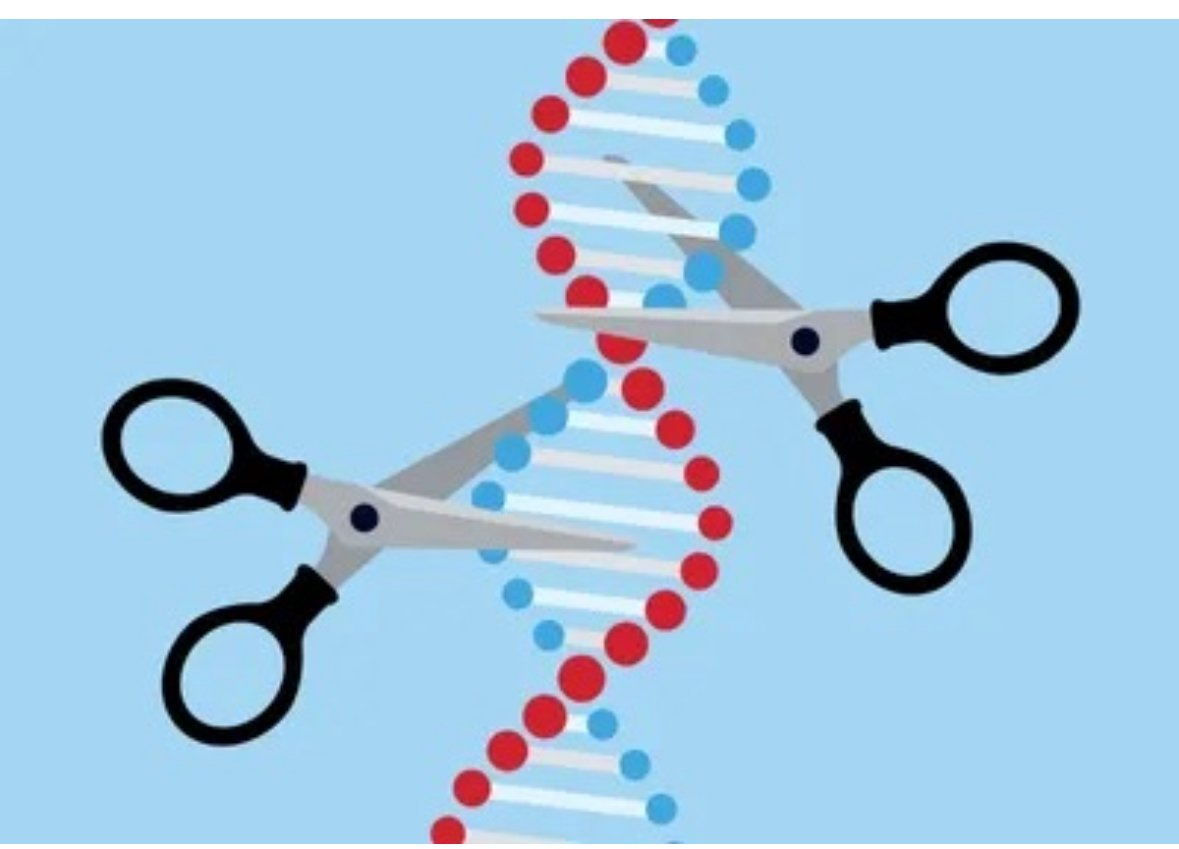
Minnebio Ultra-Active Nuclease, comparable to Benzonase, is a high-performance endonuclease optimized for use in the production of viral vaccines and cell/gene therapy vectors such as recombinant AAV, lentivirus, adenovirus, and others. This highly active endonuclease degrades all forms of DNA and RNA, including both single- and double-stranded forms, without affecting the structure or integrity of viral capsids and proteins. Feedback from our customers highlights its high efficiency, consistency, and ease of integration into existing manufacturing workflows. The enzyme reduces lysate viscosity, improves chromatographic performance, and helps ensure compliance with regulatory guidelines on residual DNA.
| Parameter | Recommendation |
|---|---|
| Working concentration | 20–50 U/mL prior to cell lysis |
| High-load applications | Up to 100–250 U/mL |
| Incubation temperature | 37 °C |
| Cofactor requirement | Mg²⁺ (typically 1–2 mM) |
| Digestion time | 30 minutes |
| Enzyme removal | via TFF with chromatography columns |
Orders can be placed through VWR or Thermo Fisher. However, ordering directly from us offers better pricing. Feel free to reach out at info@minnebio.com or call us at 612-998-5009 for a consultation or to discuss how we can best support your application. Minnebio provides customized Ultra-Active Nuclease solutions tailored to your specific needs, helping optimize your viral production workflow.
SHARE


