Leptomeningeal Metastasis and IFNγ-Mediated Immune Response as a Therapeutic Target
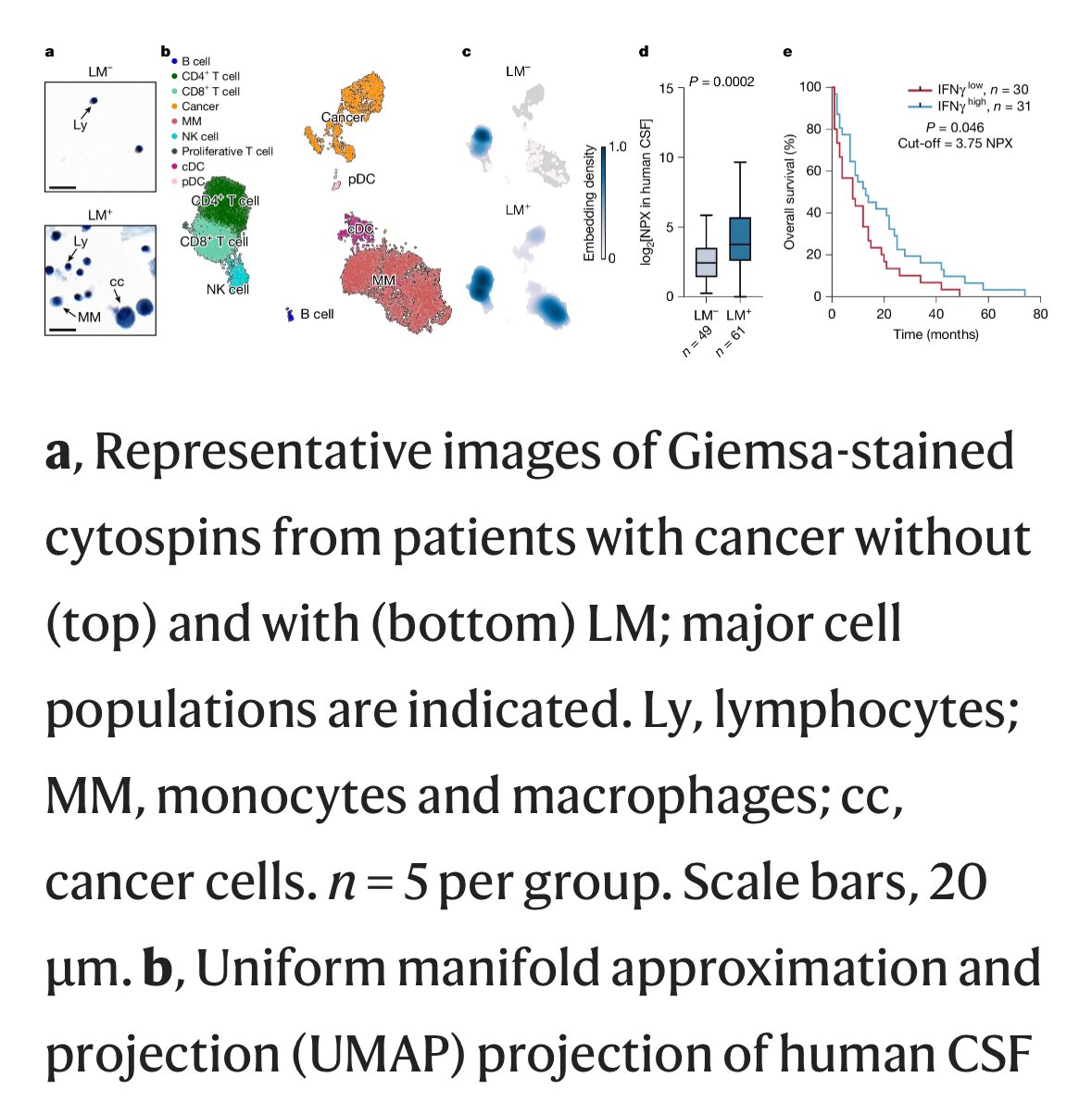
Leptomeningeal metastasis—a deadly spread of solid tumors to the cerebrospinal-fluid-filled membranes around the brain and spinal cord—is characterized by strong immune infiltration and high levels of interferon-gamma (IFNγ). Researchers developed mouse models of lung cancer, breast cancer, and melanoma with leptomeningeal metastasis and found that mice lacking IFNγ or its receptor couldn’t control tumor growth. Leptomeningeal overexpression of Ifng through a targeted adeno-associated-virus-based system controls cancer cell growth independent of adaptive immunity. The study shows that leptomeningeal T cells produce IFNγ, which recruits and activates peripheral myeloid cells, including various dendritic cell subsets. These CCR7+ dendritic cells, independent of antigen presentation, trigger the recruitment and activation of natural killer (NK) cells, which then eliminate cancer cells. The findings uncover a unique, compartment-specific IFNγ-driven immune mechanism and propose a novel immunotherapeutic strategy for treating tumors in the leptomeninges.